
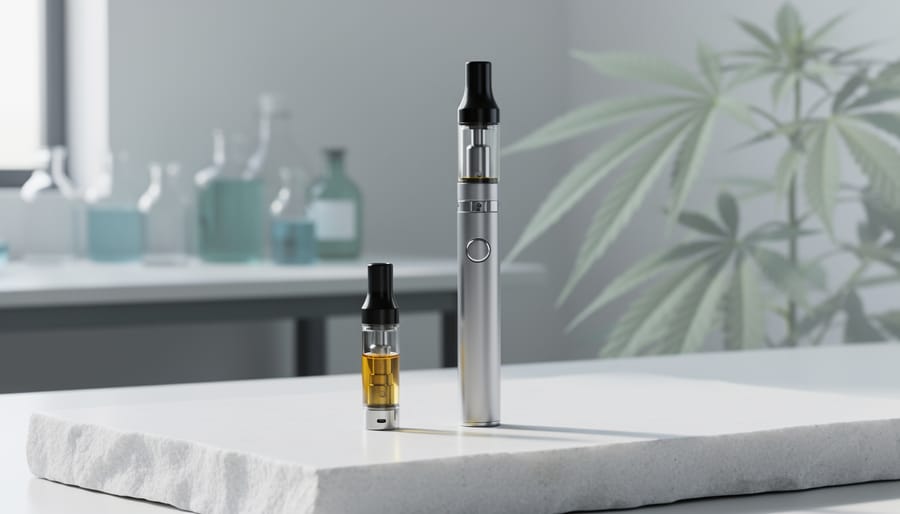
Hemp-derived cannabinoid vapes offer a legal, accessible way to experience compounds like CBD, delta-8 THC, and other minor cannabinoids extracted from industrial hemp, but choosing a safe, effective product requires knowing what to look for. Unlike marijuana-derived products, these vapes fall into a legal gray area in many regions thanks to the 2018 Farm Bill, which opened the door for hemp extracts containing less than 0.3% delta-9 THC. If you’re curious about options, click here to explore what’s available, but read this guide first to understand what separates quality products from risky ones.
The hemp cannabinoid vape market has exploded since 2020, flooding shelves with everything from disposable pens to refillable cartridges. That rapid growth brought innovation, but it also invited unregulated sellers peddling untested or contaminated products. The difference between a clean, lab-verified vape and one cut with harmful thinning agents or synthetic additives can be the difference between a pleasant experience and a trip to the emergency room.
This guide cuts through the noise. We’ll break down the key cannabinoids you’ll encounter, explain what third-party lab reports should tell you, compare product formats so you know whether a disposable or a cartridge fits your needs, and flag the red flags that signal a dodgy brand. Whether you’re switching from traditional nicotine vaping, exploring alternatives to prescription medications, or simply curious about hemp’s therapeutic potential, you deserve straightforward information grounded in harm reduction, not hype.
The stakes are real. Hemp-derived doesn’t automatically mean safe, and legal doesn’t guarantee quality. Let’s walk through what you need to know before you buy.
What Are Hemp-Derived Cannabinoid Vapes?
Hemp-derived cannabinoid vapes are devices that vaporize extracts from industrial hemp plants, cannabis with 0.3% delta-9 THC or less by dry weight, as legally defined by the 2018 Farm Bill. That legislation federally legalized hemp and its derivatives, creating a market for cannabinoids like CBD, delta-8 THC, delta-9 THC (in compliant concentrations), and newer compounds such as HHC and THC-P, all extracted from legal hemp rather than marijuana.
The distinction between hemp and marijuana is purely legal, not botanical. Both come from Cannabis sativa, but the THC threshold determines legality. Products derived from marijuana (above 0.3% delta-9 THC) remain federally controlled substances. Hemp-derived products, by contrast, exist in a federally legal gray area, though state laws vary significantly, and some states restrict or ban specific cannabinoids like delta-8 despite their hemp origin.
Vaping has become the dominant consumption method for these cannabinoids because it delivers them directly into the bloodstream through the lungs, bypassing the digestive system. This means faster onset, typically within minutes, and higher bioavailability compared to edibles or tinctures. Users feel effects quickly and can better control their intake, particularly important when experimenting with psychoactive cannabinoids like delta-8 or delta-9.
Hemp vapes come in various formats: disposable pens pre-filled with cannabinoid distillate, refillable cartridges that attach to battery devices, and pod systems with proprietary designs. The vape liquid itself typically contains cannabinoid extract, terpenes for flavor and effect, and a carrier oil, usually MCT oil, vegetable glycerin, or propylene glycol, that allows the concentrate to vaporize at controlled temperatures. Understanding these basics helps you navigate the market and recognize quality products from questionable ones.
Key Factors to Consider When Buying Hemp Cannabinoid Vapes
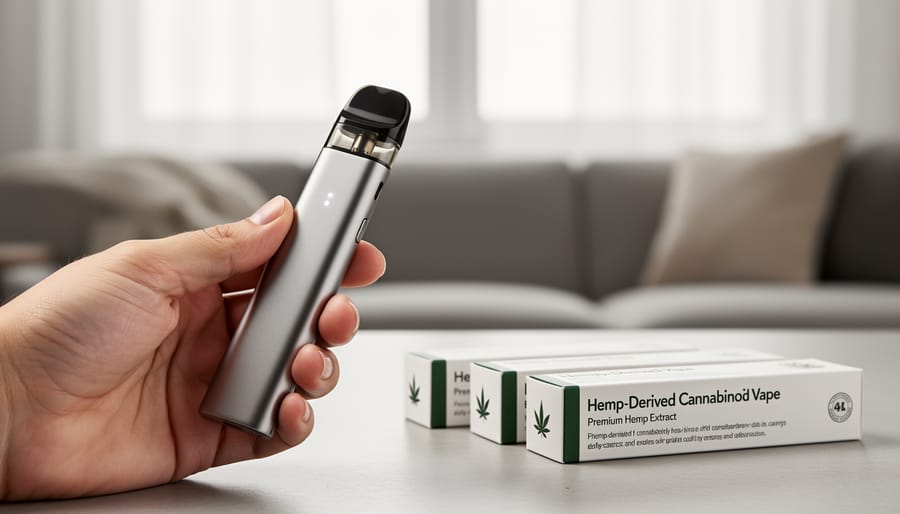
Shopping for hemp cannabinoid vapes isn’t as simple as grabbing any product off a shelf or clicking the first listing you see. The market’s rapid growth has brought legitimate options alongside questionable ones, so knowing what to evaluate separates a safe, satisfying purchase from a potential waste of money or worse.
Start with third-party lab testing and certificates of analysis (COAs). Reputable brands publish recent COAs from independent labs verifying cannabinoid content and screening for contaminants like heavy metals, pesticides, residual solvents, and microbials. If a product lacks accessible lab reports or the brand dodges questions about testing, that’s your cue to walk away. These documents confirm you’re getting what you paid for and that the product meets basic safety standards.
Cannabinoid type and potency matter immensely for your experience. A CBD vape delivers completely different effects than delta-8 THC or hemp-derived delta-9 THC. Check the milligrams per serving and total cannabinoid profile, full-spectrum products contain multiple cannabinoids and terpenes, while isolates offer pure CBD or a single compound. Beginners often do best with lower potencies and CBD-dominant options before exploring psychoactive cannabinoids.
Carrier oils and thinning agents deserve scrutiny because you’re inhaling them. Quality vapes use food-grade carriers like MCT oil or vegetable glycerin. Avoid anything containing vitamin E acetate, which has been linked to serious lung injuries, and be aware that some people react poorly to propylene glycol. Ingredient transparency here is non-negotiable.
Device compatibility determines whether a cartridge or pod will actually work with your hardware. Many cartridges use standard 510-thread connections, making them compatible with most vape batteries, but proprietary systems require matching components. If you’re new to pod mod selection verify whether the product fits your device before purchasing.
Brand transparency reveals a company’s commitment to quality and customer trust. Legitimate brands clearly list ingredients, extraction methods, sourcing details, and how to access lab reports. They respond to questions and maintain consistent contact information. Vague marketing language or brands that hide behind minimal information should raise red flags.
When evaluating any option, consider this essential e-cigarette checklist applied to hemp cannabinoid products:
- Current third-party lab reports readily available and verifiable
- Complete ingredient list with clear identification of cannabinoids, carriers, and additives
- Reputable extraction methods disclosed (CO2, ethanol, or hydrocarbon extraction)
- Device type and compatibility clearly specified
- Dosage information and potency per serving listed
- Customer reviews from verified purchases across multiple platforms
Price-to-quality ratio requires balancing cost against value. Rock-bottom prices often signal corner-cutting on testing, ingredients, or manufacturing standards. Conversely, premium pricing doesn’t automatically guarantee superior quality. Compare similar products across brands, factoring in cannabinoid concentration, lab testing, and user feedback to identify fair market rates. A mid-range product from a transparent brand with solid testing usually beats both bargain-bin options and overpriced alternatives riding on hype alone.
Types of Hemp Cannabinoid Vape Products Compared
Hemp-derived cannabinoid vapes come in several distinct formats, each with trade-offs in convenience, cost and customization. Understanding these differences helps you match a product type to your usage habits and budget.
Disposable vape pens arrive ready to use straight from the package. You charge them if needed, vape until the cannabinoid oil runs out, then discard the entire unit. They suit first-time buyers who want to sample a cannabinoid without committing to hardware, or travelers who prefer not to carry refills. The downsides: you cannot change flavors mid-device, and per-milligram costs run higher than refillable options. Most disposables contain 0.5 to 1 gram of oil and last a few days to a week for moderate users.
Refillable cartridges offer more flexibility. Standard 510-thread cartridges screw onto any compatible battery, letting you swap cartridges from different brands and cannabinoid profiles on the same device. Proprietary cartridges, made for a specific brand’s battery, often deliver more refined vape technology with precise temperature control and leak-resistant designs, but you stay locked into that brand’s ecosystem. Either way, refillable cartridges lower long-term costs because you replace only the cartridge, not the battery. They work well for regular users who want variety without buying a new device each time.
Pod systems split the middle ground. Prefilled pods click into a rechargeable battery base, combining disposable convenience with slightly better value. Some brands offer refillable pods you fill yourself from bottled cannabinoid e-liquid, which maximizes savings and customization. Pod systems tend to be compact and user-friendly, appealing to anyone upgrading from disposables without diving into full cartridge-and-battery setups.
Dry herb vaporizers heat raw hemp flower instead of oil. They suit purists who prefer whole-plant cannabinoids and terpenes without carrier oils or additives. Quality dry herb devices cost more upfront, often $100 to $300, but hemp flower itself costs less per dose than processed oils. These vaporizers demand more maintenance (cleaning chambers, managing loose material) and are bulkier than pen-style options, so they fit home use better than on-the-go vaping.
| Product Type | Best For | Upfront Cost | Long-Term Value | Ease of Use |
|---|---|---|---|---|
| Disposable Pens | Beginners, travelers, sampling | $20, $40 | Low (higher per-mg cost) | Very easy (no setup) |
| 510-Thread Cartridges | Regular users wanting variety | $15, $30 battery + $25, $50 cartridge | Moderate to high | Easy (simple threading) |
| Proprietary Pod Systems | Convenience with better tech | $25, $60 battery + $30, $50 pod | Moderate | Very easy (click-in design) |
| Dry Herb Vaporizers | Whole-plant enthusiasts, home use | $100, $300 | High (flower is cheaper) | Moderate (cleaning required) |
If you vape occasionally, disposables or pods keep things simple. Daily users save money with refillable cartridges or quality dry herb devices. Think about where you will use the device most, portable pens and pods win for discretion and travel, while larger vaporizers deliver richer flavor and efficiency at home.
Understanding Cannabinoid Options: CBD, Delta-8, Delta-9, and Beyond
Understanding which cannabinoid is right for you starts with knowing what each one does. Hemp-derived vaping products now come in a spectrum of options, from entirely non-intoxicating compounds to mildly psychoactive alternatives that occupy a legal grey area. Your choice depends on what you’re looking for, relaxation without a high, mild euphoria, or a stronger effect, and understanding these differences prevents unwelcome surprises.
CBD remains the most widely used hemp-derived cannabinoid for vaping. It won’t get you high and doesn’t produce euphoria or impairment, making it appealing for daytime use or for people avoiding psychoactive effects entirely. Users typically report feelings of calm, reduced anxiety, and physical relaxation without mental fog. For those new to cannabinoids or simply seeking wellness benefits without intoxication, CBD basics offer a logical starting point. It’s federally legal under the 2018 Farm Bill when derived from hemp containing less than 0.3 percent THC by dry weight, and it enjoys broad acceptance across most states.
Delta-8 THC sits in the middle ground. Chemically similar to the delta-9 THC found in marijuana, delta-8 is extracted or synthesized from hemp-derived CBD through isomerization. It produces noticeable psychoactive effects, users describe a clear-headed buzz, mild euphoria, and relaxation, but generally less intense than traditional marijuana. Think of it as THC’s gentler cousin. The legality is murkier: while technically derived from legal hemp, several states have specifically banned delta-8, and federal agencies have questioned its status. Check your local laws before buying.
Hemp-derived delta-9 THC is the same compound found in marijuana, but extracted from hemp and sold in concentrations that keep the total product under the 0.3 percent federal threshold by weight. A 10-gram edible, for example, can legally contain 30 milligrams of delta-9 THC. Vape products follow similar math, though concentration limits make delta-9 vapes less common than delta-8. Effects mirror traditional cannabis: euphoria, altered perception, increased appetite, and potential anxiety at higher doses. It’s stronger than delta-8 and definitely intoxicating.
Newer entrants like HHC (hexahydrocannabinol) and THC-O add complexity. HHC is a hydrogenated form of THC with effects reportedly between delta-8 and delta-9, while THC-O is a synthetic acetate variant that some claim is significantly more potent than delta-9. Both occupy legal gray areas, lack extensive research, and come with greater unknowns around safety and quality control. These are not beginner choices.
Choose based on your tolerance, desired experience, and legal comfort. If you want benefits without any high, stick with CBD. For mild effects, delta-8 offers a manageable introduction. Experienced users comfortable with THC might prefer hemp-derived delta-9 for familiar effects within a legal framework. Avoid the exotic synthetics unless you’re well-versed in cannabinoids and trust your source completely.
Safety and Quality: What to Look for in Lab Reports
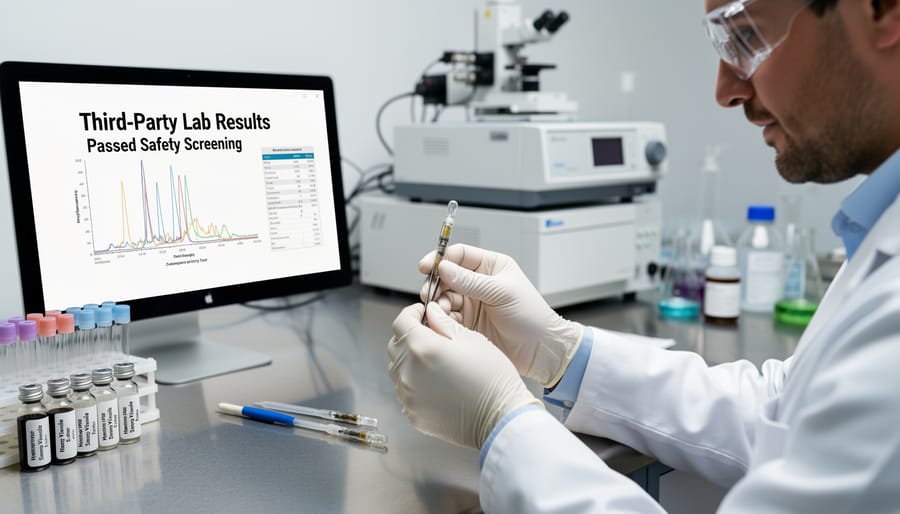
A certificate of analysis is your primary tool for verifying that a hemp cannabinoid vape product contains what the label claims and is free from dangerous contaminants. Before purchasing any vape product, always request and examine the COA, reputable brands make these lab reports easily accessible on their websites or through QR codes on packaging.
Start by checking the cannabinoid potency panel. This section should list exact percentages or milligrams of CBD, delta-8 THC, delta-9 THC, and any other cannabinoids present. Compare these numbers to what the product label advertises; significant discrepancies (more than 10-15% variance) indicate poor manufacturing controls or dishonest marketing. The COA should also confirm that delta-9 THC levels stay within the legal 0.3% threshold on a dry-weight basis for hemp-derived products.
Next, examine the contaminant testing panels, this is where harm reduction becomes tangible. A comprehensive COA tests for heavy metals (lead, arsenic, mercury, cadmium), pesticides, residual solvents from extraction, and microbial contaminants like mold and bacteria. Each category should show “pass” or list levels below established safety thresholds. Pay particular attention to heavy metals testing, as low-quality vape hardware can leach lead or cadmium into the oil.
Watch for several red flags: COAs dated more than six months before the product’s manufacture (indicating the report doesn’t match your actual batch), missing batch numbers that tie the report to your specific product, incomplete testing panels that skip entire contaminant categories, or lab reports from in-house testing facilities rather than accredited third-party labs. Legitimate COAs come from ISO-certified labs with no financial ties to the brand.
If a brand refuses to provide lab reports, claims they’re “coming soon,” or only shows partial results, walk away. Transparency in testing is non-negotiable when you’re inhaling a product directly into your lungs.
Our Recommendations: What to Buy in 2026
Rather than pushing specific brands, we’ll walk you through the product profiles worth seeking out based on your experience level and goals. The hemp cannabinoid market shifts rapidly, but certain feature sets and quality markers remain consistent benchmarks for a worthwhile purchase in 2026.
For Beginners: Simple, Transparent Disposables
If you’re new to hemp cannabinoids, look for single-use disposable pens with straightforward cannabinoid profiles, either pure CBD or mild delta-8 formulations around 10-20% potency. The best beginner options come pre-charged, require no setup, and include accessible COAs via QR code on the packaging. You want something that delivers 200-400 puffs, costs between $15-30, and uses ceramic or quartz heating elements rather than cotton wicks. Avoid disposables that don’t list their terpene source or carrier oil composition; reputable entry-level products will specify hemp-derived or botanical terpenes and use MCT or hemp seed oil as a base.
For CBD-Only Users: High-Concentration Cartridges
CBD-focused vapers benefit most from 510-thread cartridges in the 60-80% CBD concentration range, paired with a quality variable-voltage battery. Seek out full-spectrum or broad-spectrum options that preserve minor cannabinoids and terpenes for the entourage effect. The sweet spot for pricing sits around $25-45 per half-gram cartridge from producers who publish batch-specific test results showing cannabinoid profiles and confirming non-detectable THC levels (for broad-spectrum) or compliant THC content (for full-spectrum). Glass cartridges with CCELL ceramic cores outperform cheaper plastic alternatives and reduce the risk of leaching.
Product categories worth prioritizing:
- Beginner-friendly disposables: draw-activated, pre-charged, COA-accessible, ceramic heating, 200+ puffs, $15-30 range
- High-quality cartridge brands: 510-compatible, glass construction, CCELL or equivalent ceramic, full cannabinoid and terpene disclosure, batch-specific testing
- Reliable pod systems: proprietary pods with verifiable sourcing, magnetic connections, USB-C charging, airflow control, under $40 for starter kit
- Dry herb vaporizers for flower: precise temp control (320-400°F), ceramic or stainless chamber, 90+ minute battery, easy cleaning access
For Delta-8 and Psychoactive Cannabinoid Users
Experienced users exploring delta-8, HHC, or compliant delta-9 should prioritize refillable cartridge systems or pod devices that allow cannabinoid-specific selections. Look for products advertising 70-90% delta-8 concentration with clearly identified terpene blends, avoid anything marketed as “max strength” without precise potency figures. The advantage of refillable systems here is cost efficiency; you’ll pay $30-50 per gram of quality delta-8 distillate in cartridge form, versus $20-35 for disposables offering half that volume.
Portable vs. Home Use Considerations
Pocket-friendly setups favor slim batteries under 400mAh with cartridges or pods, keeping your total device length under five inches. Home users gain more from box-mod style batteries (15-30W output) that accommodate various cartridge resistances, or dedicated tabletop vaporizers for hemp flower that deliver fuller flavor through convection heating. If flower vaping appeals to you, budget $80-150 for a portable dry herb vaporizer with session control and replaceable batteries.
Common Mistakes to Avoid When Buying Hemp Vapes
Skipping lab verification is the single biggest mistake you can make. Some buyers see a low price or appealing branding and skip checking for third-party COAs entirely, exposing themselves to untested products that might contain dangerous contaminants, incorrect cannabinoid levels, or harmful additives like vitamin E acetate. If a brand doesn’t prominently display current lab reports, walk away.
Buying from unverified sellers, whether at gas stations, sketchy online stores, or unlicensed dispensaries, dramatically increases your risk. These outlets often carry products from manufacturers who cut corners on safety testing and quality control. Stick to reputable vendors with transparent supply chains and customer reviews you can verify.
Ignoring ingredient lists leads many buyers to products with questionable additives. Some manufacturers use cutting agents like propylene glycol, vegetable glycerin, or MCT oil in excessive amounts, which can produce harsh vapor or unwanted byproducts when heated. Others hide synthetic additives behind vague “natural flavoring” labels. Read the full ingredient disclosure before purchasing.
Misunderstanding cannabinoid potency causes disappointment or unwanted intensity. First-time buyers often grab the strongest delta-8 or delta-9 product available, then find the experience overwhelming, or conversely, they choose ultra-low doses that produce no noticeable effect. Match potency to your experience level and desired outcome rather than defaulting to “more is better.”
Device compatibility mistakes waste money and create frustration. Buying a 510-thread cartridge when you own a proprietary pod system, or purchasing a cart with airflow designed for button-activated batteries when you have an auto-draw pen, results in poor performance or complete incompatibility. Confirm your device specs before ordering.
Finally, too-good-to-be-true pricing usually signals compromised quality or outright scams. Legitimate hemp cannabinoid extraction, testing, and manufacturing costs money. Drastically underpriced products likely skip essential safety steps, use low-grade hemp, or contain minimal active cannabinoids despite label claims.
Frequently Asked Questions
Are hemp-derived cannabinoid vapes legal?
Federally, hemp-derived cannabinoids containing less than 0.3% delta-9 THC by dry weight are legal under the 2018 Farm Bill. However, state laws vary significantly, some states have banned delta-8 and other intoxicating hemp cannabinoids, so you must check your local regulations before purchasing.
Will hemp-derived cannabinoid vapes show up on a drug test?
Yes, they likely will. Standard drug tests screen for THC metabolites, and products containing delta-8, delta-9, or other THC variants will trigger positive results. Even some CBD products with trace THC can cause failures, so avoid these products if you face workplace or legal testing.
How do I know if a product is safe?
Look for third-party lab reports (COAs) that verify cannabinoid content and test for contaminants like heavy metals, pesticides, and residual solvents. Reputable brands publish these reports publicly and include batch numbers on product packaging so you can verify your specific purchase.
What’s the difference between full-spectrum, broad-spectrum, and isolate?
Full-spectrum contains all naturally occurring cannabinoids including trace THC, broad-spectrum includes multiple cannabinoids but removes THC, and isolate is pure single-cannabinoid extract (typically 99%+ CBD or another specific compound). Full-spectrum offers the “entourage effect” but may cause drug test issues, while isolate provides predictable effects without other compounds.
Pricing for hemp-derived cannabinoid vapes varies widely based on quality, cannabinoid type, and product format. Budget disposables start around $15-$25, mid-range cartridges typically cost $25-$45, and premium options with extensive testing can reach $50-$70. Generally, you’ll pay more for delta-9 THC products due to regulatory complexity and for verified clean testing results. If a deal seems dramatically cheaper than competitors, that’s often a red flag for cut corners on testing or quality ingredients.
When evaluating price, calculate cost per milligram of cannabinoid rather than just the sticker price. A $40 cartridge with 900mg of delta-8 offers better value than a $30 cartridge with 500mg. That said, the cheapest per-milligram option isn’t always the smart buy, factor in lab testing transparency, ingredient quality, and brand reliability. Spending an extra $10 on a properly tested product protects your health and ensures you’re actually getting what the label promises.
Choosing the right hemp-derived cannabinoid vape comes down to doing your homework and refusing to cut corners on safety. This market moves fast, with new products and cannabinoids appearing constantly, but the fundamentals don’t change: legitimate lab testing, transparent sourcing, and quality ingredients separate responsible products from risky ones.
You’ve now got the framework to evaluate products critically. Prioritize third-party COAs that test for both potency and contaminants. Understand what cannabinoid you’re actually buying and what effects to expect. Avoid mystery additives and suspiciously cheap products that skip testing altogether. Whether you’re exploring CBD for wellness, delta-8 for mild effects, or other hemp-derived options, these principles apply equally.
The hemp-derived cannabinoid space offers genuine alternatives for adults seeking harm reduction options, but only when approached with care. Unregulated corners of this market still exist, and they put consumers at risk. Your best protection is staying informed and voting with your wallet for companies that earn trust through transparency.
Nobody should have to gamble with their health because a brand won’t share basic safety data. Demand better, expect accountability, and don’t settle for products that fail to meet the standards outlined in this guide. The right hemp cannabinoid vape is out there, you just need to know what questions to ask before you buy.


